Key Takeaways
- EEG testing measures electrical activity in your brain to identify brain wave patterns that may indicate disorders. This non-invasive test helps diagnose conditions like epilepsy, sleep disorders, brain dysfunction from strokes or head injuries, and memory-related issues.
- EMG testing examines electrical activity in your muscles and nerves to detect communication problems between them. This test is valuable for diagnosing muscle weakness, carpal tunnel syndrome, muscular dystrophy, peripheral neuropathy, and neuromuscular diseases like ALS or multiple sclerosis.
- Both tests are generally safe and straightforward. EEG testing involves placing electrodes on your scalp and takes 20-40 minutes, while EMG testing uses surface electrodes and fine needles to assess muscle and nerve function over 30-60 minutes. Mild discomfort may occur, especially with needle insertion during EMG.
- Accurate diagnosis leads to personalized treatment plans. Test results help your healthcare provider identify the exact cause of your symptoms and develop targeted treatments, whether that includes medications for seizure management, physical therapy for mobility improvement, or interventions like wrist splints for nerve compression.
- Interventional Pain & Spine Center provides expert diagnostic care. Led by Dr. Mohammad Ali, the team uses state-of-the-art EEG and EMG testing combined with compassionate, patient-focused care to go beyond identifying problems and help patients reclaim their quality of life.
Request an Appointment(opens in a new tab)(opens in a new tab)
Table of Contents

Your Guide to EEG & EMG Testing
Understanding what’s happening inside your body can feel overwhelming, especially when you’re dealing with symptoms like muscle weakness, chronic pain, or nerve-related concerns. Tools like EEG and EMG testing are here to provide clarity. These diagnostic tests help pinpoint the root cause of neurological or muscle issues, guiding your healthcare provider in crafting the best treatment plan for you.
At Interventional Pain & Spine Center, we specialize in delivering exceptional neurological and pain management care in Wexford, PA. Our team, led by Dr. Mohammad Ali, employs state-of-the-art diagnostic methods, including EEG and EMG testing, to identify and address each patient’s unique challenges. If you’re ready to take the next step toward relief and recovery, schedule your appointment today to get started on your personalized care plan.
Read on to discover how EEG and EMG testing can provide valuable insights into your condition, helping pave the way toward a better quality of life.
What Are EEG and EMG Tests?
EEG Testing
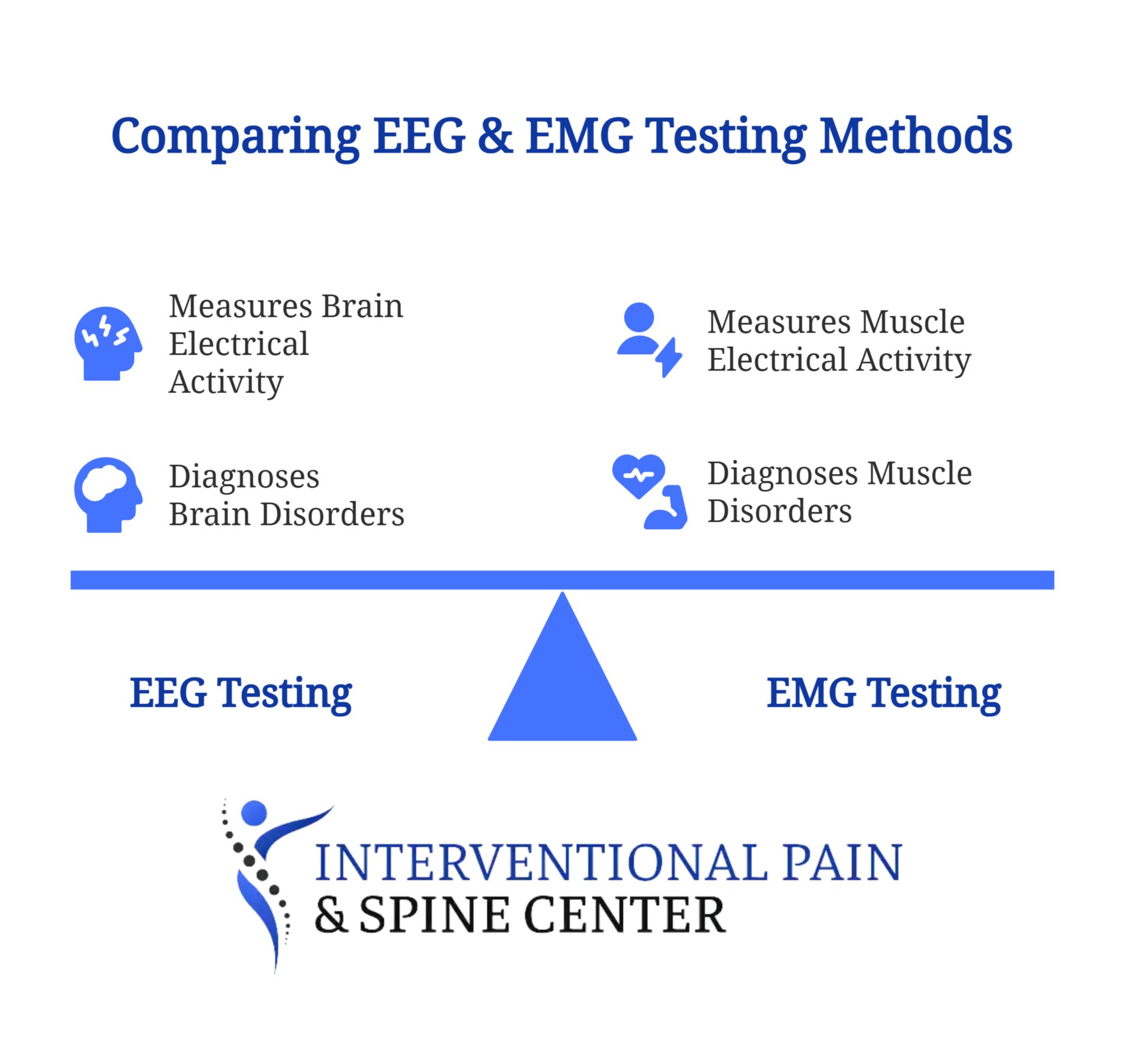
Electroencephalography (EEG) is a test that measures electrical activity in your brain. It’s often used to identify brain wave patterns that may indicate brain dysfunction or other brain disorders. By recording these brain waves, Dr. Ali can assess how your nerve cells are working and whether abnormalities are present.
EEG testing is typically recommended if you’re experiencing symptoms like seizures, memory loss, or unexplained changes in mental state. It’s also useful in diagnosing conditions such as epilepsy, sleep disorders, and other brain disorders.
EMG Testing
Electromyography (EMG) examines the electrical activity in your muscles and the nerve conduction study signals that travel between your nerves and muscles. Using an electrical medical device, this test can detect issues with the communication between nerves and muscles, helping diagnose muscle disorders and nerve conditions, such as:
- Muscle weakness or fatigue
- Carpal tunnel syndrome
- Muscular dystrophy
- Neuromuscular diseases like amyotrophic lateral sclerosis (ALS)
Dr. Ali may recommend an EMG if you’re dealing with persistent muscle soreness, weakness, or unexplained numbness or tingling.
What to Expect During EEG and EMG Testing
Understanding the testing process can go a long way in reducing any worries you might have. Here’s a step-by-step breakdown of each procedure:
EEG Testing Steps
- Preparation: You’ll sit or lie down comfortably while the technician prepares your scalp. This may involve applying a gel or mild abrasive to enhance the connection between your skin and the electrodes.
- Electrode Placement: Small sensors (electrodes) are placed on your scalp. These electrodes are connected to a specialized machine that records your brain wave patterns.
- Monitoring: You’ll be asked to relax and might be instructed to perform simple tasks, such as opening or closing your eyes. If Dr. Ali is looking for specific triggers, they may use light stimulation or ask you to hyperventilate for a short period.
- Duration: EEG tests typically last about 20-40 minutes, though extended monitoring may be required for some conditions.
EMG Testing Steps
- Preparation: During an EMG, you’ll sit or lie down in a comfortable position. The technician will clean the areas where electrodes or thin needles will be placed.
- Electrode Placement:
- For a nerve conduction study, electrodes are placed on the skin to stimulate the nerves with electrical signals, assessing whether the nerves are transmitting properly.
- For the muscle test, fine needles are gently inserted into specific muscles to record their electrical activity.
- Muscle Activity Testing: You may be asked to contract or relax certain muscles as the device records your responses.
- Duration: The test typically takes 30-60 minutes, depending on the areas being assessed.
Both tests are generally safe, though you might feel mild discomfort during the procedure (especially if needles are used during the EMG). Be sure to share any concerns with your healthcare provider beforehand.
What Conditions Can EEG and EMG Diagnose?
EEG and EMG testing serve as valuable tools in diagnosing a range of conditions. Here are some examples:
Conditions Diagnosed with EEG
- Epilepsy: Detects irregular brain wave patterns that signal seizures.
- Brain dysfunction: Identifies abnormalities linked to strokes, head injuries, or inflammation.
- Other brain disorders: Assesses sleep disorders, encephalopathy, and memory-related issues.
Conditions Diagnosed with EMG
- Muscle disorders: Detects abnormal muscle activity and can help diagnose conditions like muscular dystrophy, myositis, or Lou Gehrig’s disease.
- Nerve dysfunction: Identifies nerve damage related to conditions such as carpal tunnel syndrome or peripheral neuropathy.
- Other neuromuscular diseases: Helps assess the function of your muscles and nerves in conditions like amyotrophic lateral sclerosis (ALS) or multiple sclerosis (MS).
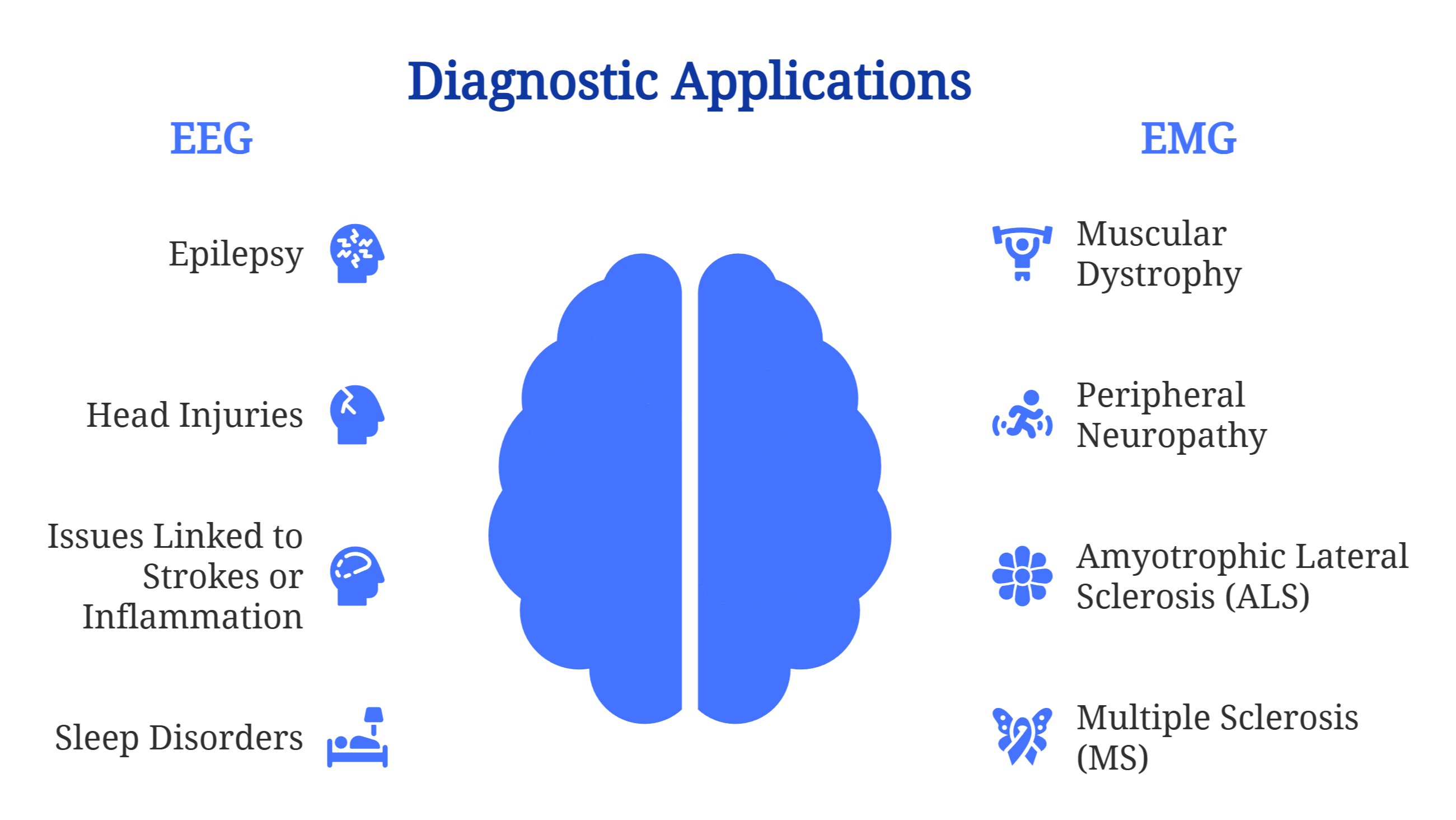
By pinpointing the exact cause of your symptoms, these tests lay the groundwork for personalized treatment. Whether it’s physical therapy, medication, or advanced interventions, accurate results give your healthcare team the insights they need to support your recovery.
How These Tests Guide Treatment
Once your results are in, your healthcare provider will explain what they mean and how they’ll impact your treatment plan. For instance:
- If your EEG reveals abnormal brain waves, Dr. Ali might recommend medications to manage seizures or therapies to address sleep disturbances.
- If your EMG uncovers nerve damage, you could benefit from interventions like wrist splints for carpal tunnel syndrome or physical therapy to enhance mobility and strength.
At Interventional Pain & Spine Center, we combine diagnostic tools like EEG and EMG with compassionate, patient-focused care. Our goal is to go beyond identifying the problem—we want to help you reclaim your quality of life with a treatment plan tailored to you.
Schedule Your EEG or EMG Test Today!
EEG and EMG tests might sound complex, but their purpose is simple—to provide answers. Don’t hesitate to reach out with questions or concerns before your appointment. Together, we’ll work toward solutions that bring relief, clarity, and confidence back into your life.
If you’re ready to move forward, schedule your appointment(opens in a new tab) with Dr. Mohammad Ali today at At International Pain & Spine Center, and take the next step toward personalized care and understanding.
Book An Appointment(opens in a new tab)
Frequently Asked Questions
Will EEG or EMG testing hurt?
EEG testing is completely painless. You'll simply have small electrodes placed on your scalp, which may feel slightly uncomfortable during preparation when gel is applied, but the test itself causes no pain. EMG testing may involve some discomfort, particularly when fine needles are inserted into muscles to record electrical activity. Most patients describe this as a brief pinching or pressure sensation. The nerve conduction study portion uses surface electrodes and mild electrical stimulation that feels like a quick tapping or tingling. Any discomfort is temporary and typically well-tolerated.
How should I prepare for my EEG or EMG test?
For EEG testing, wash your hair the night before or morning of the test, but avoid using conditioners, oils, gels, or sprays, as these can interfere with electrode contact. Continue taking your regular medications unless your doctor instructs otherwise. For EMG testing, avoid applying lotions or creams to your skin on the day of the test. Wear loose, comfortable clothing that allows easy access to the areas being tested. Let your doctor know if you're taking blood thinners or have a pacemaker, as special precautions may be needed.
How long will it take to get my test results?
The timeline for receiving results varies depending on the complexity of your case and whether additional analysis is needed. In many cases, Dr. Ali can discuss preliminary findings with you immediately after the test. A comprehensive written report typically takes a few days to complete as the data is carefully reviewed and analyzed. Your healthcare provider will schedule a follow-up appointment to discuss your results in detail and explain what they mean for your treatment plan.
Can I drive myself home after the test?
Yes, you can drive yourself home after both EEG and EMG testing. These are diagnostic procedures that don't involve sedation or medications that would impair your ability to drive. However, if you experience any unusual symptoms during or after the test, let the medical staff know before leaving. If your EEG was performed to evaluate seizure activity and you have a history of frequent seizures, discuss driving safety with your doctor.
Are there any risks or side effects from these tests?
Both EEG and EMG tests are considered very safe with minimal risks. EEG testing is non-invasive and has no known side effects. Some people may experience mild scalp irritation from the electrode gel or adhesive, but this resolves quickly. EMG testing carries a small risk of bruising, minor bleeding at needle insertion sites, or temporary muscle soreness. Serious complications are extremely rare. If you have concerns about bleeding disorders, infections, or other medical conditions, discuss these with Dr. Ali before your test.
What's the difference between a nerve conduction study and an EMG?
While both are often performed together, they measure different things. A nerve conduction study assesses how well electrical signals travel along your nerves by placing electrodes on your skin and delivering small electrical pulses. This helps identify nerve damage or compression. An EMG specifically measures the electrical activity within your muscles using fine needles inserted into the muscle tissue. This helps detect muscle disorders and problems with nerve-to-muscle communication. Together, these tests provide a comprehensive picture of your neuromuscular health and help pinpoint whether issues stem from the nerves, muscles, or both.
