Key Takeaways
- Parkinson’s disease is a progressive nervous system disorder that commonly affects movement and may also impact mood, sleep, digestion, and daily function.
- A consistent routine of Parkinson’s exercise (approved by your clinician) can support mobility, balance, strength, and quality of life.
- Nutrition habits—hydration, fiber, and smart meal timing—can help manage energy and common non-motor challenges such as constipation.
- Practical mobility strategies and home-safety changes can reduce fall risk and help you stay independent longer.
- Mental health support matters: addressing depression, anxiety, and stress is a core part of managing Parkinson's disease.
- Interventional Pain & Spine Center provides neurological care in Wexford, PA with in-house diagnostic testing (EEG/EMG) and a patient-centered approach led by Dr. Mohammad Ali, triple board-certified in neurology, pain management, and clinical neurophysiology.
What Parkinson’s Can Look Like Day to Day
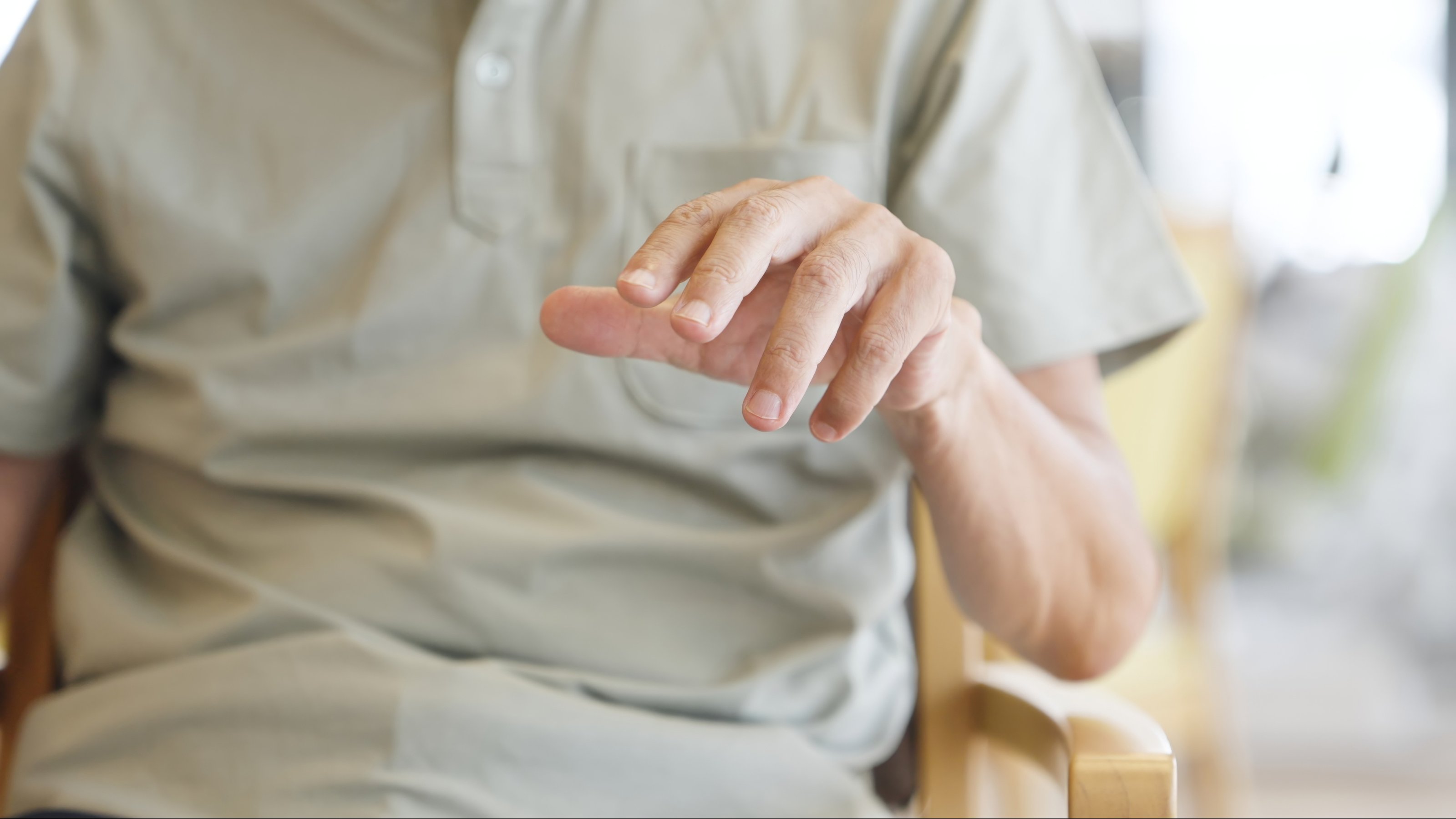
Living with Parkinson’s disease often involves adjusting to changes that can be both visible (like tremor, slowness, stiffness, balance issues) and invisible (like fatigue, sleep disruption, constipation, anxiety, or depression). Parkinson’s is typically described as a progressive disorder of the nervous system that primarily affects movement, and many people experience tremor as part of their symptom set.
If you’ve recently been diagnosed—or you’re supporting a loved one—your goal may be less about “fixing everything” and more about building a realistic, supportive plan that improves function and quality of life over time.
And while many people search “how to prevent Parkinson's disease,” it’s important to know: Parkinson’s isn’t fully preventable with current medical knowledge. What you can do is focus on protective habits (exercise, sleep, brain-healthy routines), manage symptoms early, and reduce preventable complications like falls, deconditioning, or isolation.
Below are five practical, evidence-informed strategies you can start discussing with your care team.
Tip #1: Make Exercise a Non-Negotiable (But Start Safely)
If there’s one lifestyle tool that comes up repeatedly in Parkinson’s guidance, it’s movement. Exercise supports mobility, flexibility, balance, and strength—and for many people it becomes the “anchor habit” that makes other symptom management easier.
What “Parkinson’s exercise” can include
Depending on your ability level and provider guidance:
- Walking programs or treadmill training
- Strength training (especially hips/legs/core)
- Balance work (supported single-leg stance, heel-to-toe walking, tai chi-style drills)
- Stretching for stiffness and posture
- Physical therapy-guided gait training and cueing strategies (helpful for shuffling or freezing)
How to start without flaring symptoms
- Get clearance before beginning a new routine, especially if balance or falls are a concern
- Start with short sessions (10–15 minutes), then build duration
- Choose low-risk environments (clear floors, stable shoes, supportive surfaces)
- Track what helps vs. what triggers symptoms (fatigue, pain, dizziness)
Over time, consistency matters more than intensity. A realistic plan you do weekly beats a “perfect” plan you abandon in two weeks.
Tip #2: Use Nutrition to Support Energy, Digestion, and Medication Timing
Food won’t “cure” Parkinson’s, but nutrition can influence everyday comfort and function—especially when constipation, fatigue, or appetite changes are part of your picture.
Helpful foundations
- Hydration: Dehydration can worsen dizziness and constipation.
- Fiber: Fruits, vegetables, legumes, and whole grains support gut motility.
- Protein awareness: For some patients taking levodopa, high-protein meals may interfere with absorption. Many organizations recommend discussing meal timing and protein distribution with your clinician.
Practical ideas you can try
- Build meals around plants + lean proteins (Mediterranean-style patterns are popular for brain health)
- Add fiber gradually (too fast can cause bloating)
- Pair fiber with water for better results
- Ask your clinician about medication timing if you notice “on/off” fluctuations after meals
If swallowing becomes difficult, or if weight loss becomes unintentional, nutrition support becomes even more important—and should be discussed promptly.
Tip #3: Reduce Tremor Friction and Improve Mobility With Smart Strategies
Tremor and mobility changes can make daily tasks feel harder than they “should.” This is where small adaptations can create big wins.
Mobility-support strategies
- Use cueing: rhythmic counting, music, or visual cues can help with gait initiation for some people
- Break movements into steps: turn slowly, widen stance, pause before changing direction
- Prioritize posture: stiffness can pull the body forward, increasing imbalance risk
- Use the right tools: canes, walkers, grab bars, shower chairs—these are independence tools, not “giving up”
Home safety quick-check
- Remove loose rugs and clutter in walkways
- Improve lighting (especially hallways and nighttime routes)
- Place commonly used items within easy reach
- Consider an OT (occupational therapy) consult for task-specific support (buttons, handwriting tools, kitchen adaptations)
If falls, near-falls, or freezing episodes are happening, it’s worth escalating the conversation with your provider quickly—because safety changes are most effective before an injury occurs.
Tip #4: Treat Mental Health Support as Part of the Plan (Not an Afterthought)
Managing Parkinson disease isn’t only physical. Mood and motivation changes can show up early and can affect follow-through on exercise, sleep, nutrition, and social connection.
What support can look like
- Counseling or talk therapy (especially for anxiety, grief, adjustment stress)
- Medication options when clinically appropriate
- Care-partner support (caregiving burnout is real)
- Structured routines that reduce decision fatigue
- Exercise (which may also support mood and stress regulation)
If you notice persistent sadness, loss of interest, hopelessness, or major sleep/appetite changes, it’s worth bringing up directly. Mental health support is healthcare.
How Interventional Pain & Spine Center Supports Patients in Wexford, PA
If you’re local to Wexford or the greater Pittsburgh area, your care may benefit from a team that understands the neurological roots of symptoms and can coordinate support for both movement-related and pain-related challenges.
At Interventional Pain & Spine Center:
- Care is led by a neurologist with specialized training in interventional pain management, with an emphasis on identifying underlying causes and building personalized plans.
- The clinic offers neurology-informed evaluation and in-house testing options such as EEG and EMG when clinically appropriate for diagnostic planning.
- Patients can also receive pain-focused support for musculoskeletal strain, joint pain, or nerve-related discomfort that may appear alongside neurological conditions.
If you’re feeling stuck, overwhelmed, or unsure what to do next, scheduling a focused visit can help clarify the path forward and connect you with the right next steps.
A Better Day-to-Day Plan Starts With Small Wins
Living with Parkinson’s is a long game. The most effective plans combine medical care with sustainable routines—movement, nutrition, practical adaptations, mental health support, and a strong care team. If symptoms are changing, daily tasks are getting harder, or you want a more personalized plan, a specialist evaluation can help clarify your next steps.
Interventional Pain & Spine Center in Wexford, PA offers neurological care and in-house diagnostic testing, led by Dr. Mohammad Ali, triple board-certified in neurology, pain management, and clinical neurophysiology.
Frequently Asked Questions
What are the best first steps for managing Parkinson's disease after diagnosis?
Start by building your care team, reviewing medication plans, and creating a safe exercise routine. Many people also benefit from PT/OT evaluation early to prevent falls and maintain function.
What type of Parkinson’s exercise is safest?
Walking, strength training, balance work, and flexibility routines are common options, but the safest plan depends on your symptoms and fall risk. Always check with your clinician before starting something new.
How do I find Parkinson’s support groups near me?
Ask your provider for local recommendations and explore reputable national Parkinson’s organizations that list local groups and resources for patients and care partners.
How to prevent Parkinson's disease—can lifestyle prevent it?
Parkinson’s isn’t fully preventable with current medical knowledge. Healthy habits like regular exercise and overall risk-factor management can support brain health and may reduce complication risk, but they can’t guarantee prevention.
How can diet help with Parkinson's symptoms?
Nutrition can support energy, hydration, and digestion. Many patients discuss fiber and fluid intake for constipation and ask their clinician about medication timing around high-protein meals.
