Key Takeaways
- Over 51 million adults in the United States suffer from chronic pain. This widespread condition often requires specialized care, particularly when the root cause involves the nervous system rather than surface-level symptoms.
- Unlike general pain specialists, neurologists have in-depth knowledge of the brain, spinal cord, and nerves, allowing them to diagnose complex nerve-related pain disorders that other specialists might miss using advanced imaging and electrodiagnostic tests like EMG.
- Neurologists can create personalized treatment plans that include nerve-specific medications, interventional techniques like nerve blocks and radiofrequency ablation, and advanced neuromodulation therapies such as spinal cord stimulation.
- Dr. Mohammad Ali's certifications in pain medicine, neurology, and neurophysiology ensure precise diagnoses, cutting-edge treatment options, and a holistic approach to addressing the root causes of pain for lasting relief.
- Signs that you may benefit from neurological expertise include chronic pain lasting more than three months, pain interfering with daily activities, numbness or tingling in the extremities, or headaches that haven't responded to other treatments.
Request an Appointment(opens in a new tab)(opens in a new tab)
Table of Contents
Why Choose a Neurologist Who Specializes in Pain?

Did you know that an estimated 51.6 million adults in the United States suffer from chronic pain? This widespread issue often requires more than standard treatments, especially when the root cause lies within the nervous system. That's where a neurologist specializing in pain management can make all the difference.
At Interventional Pain & Spine(opens in a new tab), we pride ourselves on delivering expert, compassionate care tailored to your unique needs. Led by Dr. Mohammad Ali(opens in a new tab), a triple board-certified specialist in pain medicine, neurology, and neurophysiology, we provide advanced diagnostic tools and innovative treatments to help you live life to the fullest. If you're ready to address your pain with a team you can trust, contact us today to schedule an appointment.
BOOK AN APPOINTMENT(opens in a new tab)
Choosing a neurologist for pain management ensures comprehensive care that goes beyond surface-level symptoms—read on to learn more about why their expertise matters.
Understanding Chronic Pain and Its Complexities
Chronic pain is defined as pain that lasts longer than three months, persisting beyond the typical healing time for an injury or condition. This pain can manifest in various forms, such as a dull, constant ache, sharp stabbing sensations, or intermittent spasms that disrupt daily life. Unlike acute pain, which serves as a warning signal for immediate injury or illness, chronic pain often becomes a condition in itself, requiring targeted management.
Chronic pain can result from a variety of underlying issues, making it a complex condition to treat. Some common causes include:
- Arthritis: Inflammation in the joints that leads to persistent discomfort and stiffness.
- Fibromyalgia: A condition characterized by widespread musculoskeletal pain, fatigue, and tenderness.
- Nerve Damage (Neuropathy): Often caused by diabetes, injuries, or infections, resulting in tingling, burning, or shooting pain.
- Spinal Disorders: Conditions like herniated discs or spinal stenosis can compress nerves and lead to chronic back pain.
These are just a few examples of the many conditions that can contribute to chronic pain. While primary care physicians and other specialists may be proficient in treating certain causes, neurologists bring a unique set of skills to the table when it comes to addressing nerve-related pain disorders.
The Role of Neurologists in Diagnosing and Treating Pain Disorders
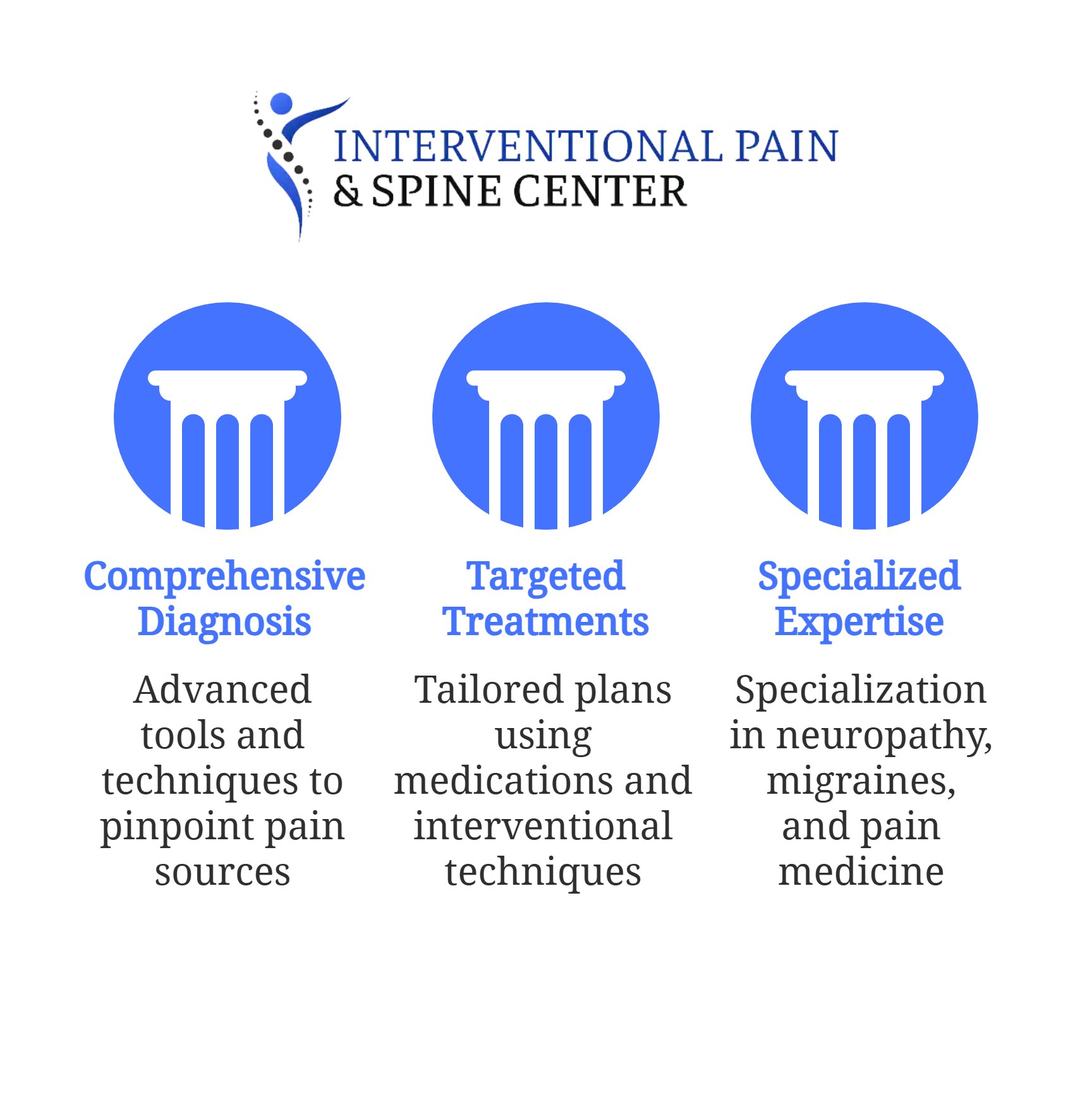
Neurologists play an important role in understanding and managing pain, especially when it stems from the nervous system. Their expertise goes beyond standard pain treatments, focusing on the intricate workings of the brain, spinal cord, and nerves to identify and address the root cause of pain disorders.
Comprehensive Diagnosis
Neurologists are trained to diagnose complex pain conditions that other specialists might miss. Using advanced tools and techniques, they can pinpoint the source of pain with precision. Key diagnostic methods include:
- Advanced Imaging: MRI and CT scans help identify nerve damage, structural issues, or abnormalities in the brain and spinal cord.
- Electrodiagnostic Tests: Procedures like electromyography (EMG) and nerve conduction studies evaluate how well your nerves and muscles are functioning.
- Clinical Evaluations: Neurologists assess medical history, symptoms, and physical exams to develop a detailed understanding of the pain’s origin.
Targeted Treatments for Pain Disorders
Once a neurologist has determined the cause of your pain, they can create a tailored treatment plan. Their approach often includes:
- Medications: Neurologists prescribe medications specific to nerve-related pain, such as anti-seizure drugs, antidepressants, or muscle relaxants.
- Interventional Techniques: Procedures like nerve blocks, epidural steroid injections, or radiofrequency ablation target the nerves causing pain for more effective relief.
- Neuromodulation: Advanced therapies, such as spinal cord stimulation, use electrical impulses to disrupt pain signals before they reach the brain.
Expertise in Complex Pain Conditions
Neurologists specialize in managing conditions often linked to chronic pain, including:
- Neuropathy: Damage to peripheral nerves causing burning, tingling, or numbness.
- Migraine and Headache Disorders: Chronic headaches that may involve nerve pathways in the brain.
- Spinal Pain Syndromes: Issues like sciatica or herniated discs that compress nerves and lead to pain.
- Fibromyalgia: Widespread pain with a suspected connection to how the brain processes pain signals.
Unlike general pain specialists, neurologists bring in-depth knowledge of the nervous system, enabling them to address pain disorders at their source. Their ability to combine diagnostic precision with cutting-edge therapies ensures comprehensive and long-lasting relief.
Why a Triple Board-Certified Specialist Matters
A triple board-certified specialist, like Dr. Mohammad Ali at Interventional Pain & Spine, offers unmatched expertise in pain medicine, neurology, and neurophysiology. This unique combination ensures precise diagnoses, advanced treatment options like nerve blocks and neuromodulation, and a holistic approach to addressing pain's root causes.
With training across multiple disciplines, triple board-certified specialists provide comprehensive care tailored to your needs, using cutting-edge tools and techniques. Choosing such a specialist ensures you receive the highest standard of care for lasting pain relief and improved quality of life.
When to See a Neurologist for Pain Management
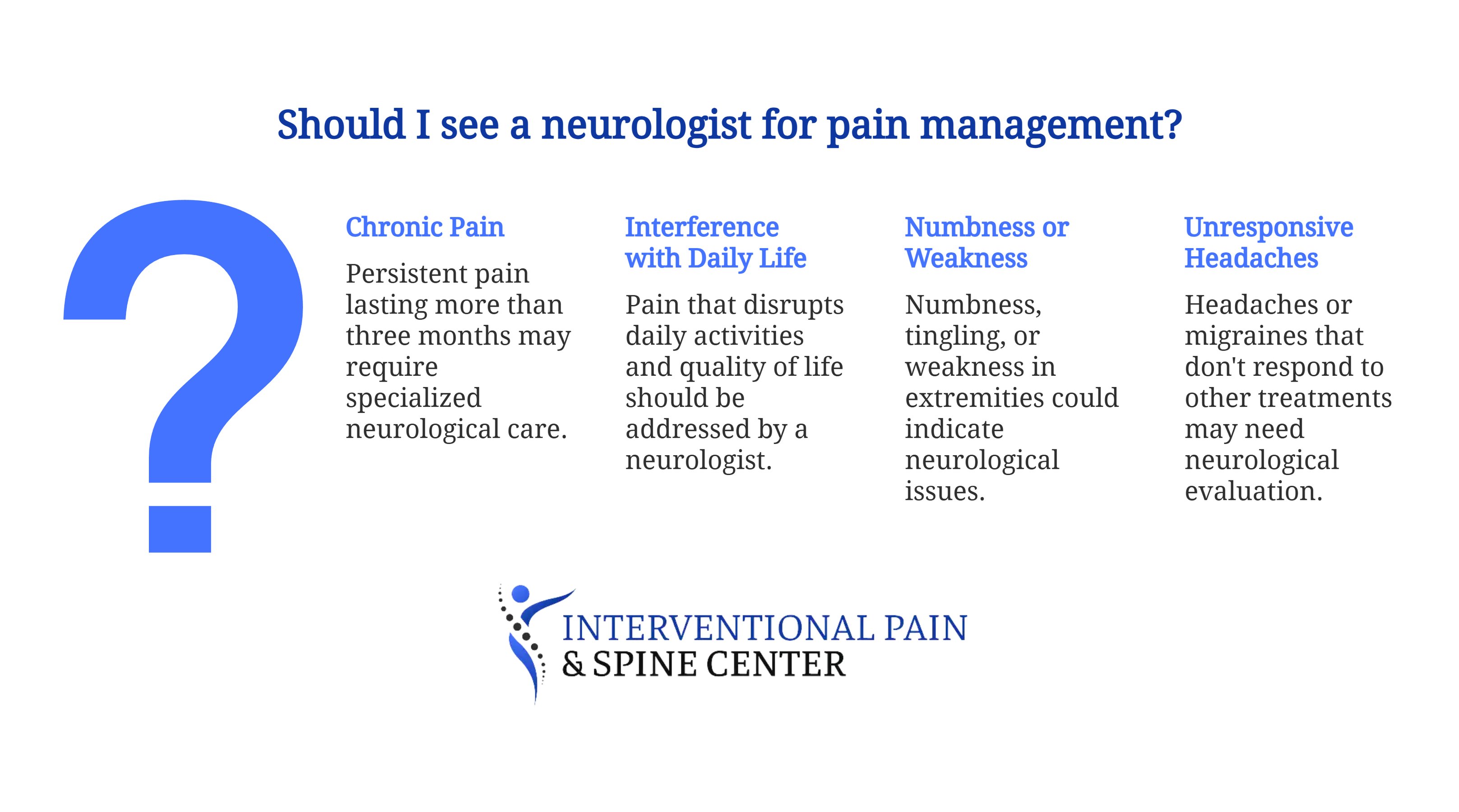
If you're experiencing persistent pain that doesn’t improve with standard treatments, it may be time to consult a neurologist who specializes in pain management. Here are some signs that you may benefit from a neurologist’s expertise:
- Chronic pain lasting more than three months
- Pain that interferes with daily activities and quality of life
- Numbness, tingling, or weakness in the extremities
- Headaches or migraines that haven’t responded to other treatments
If any of these symptoms sound familiar, don't hesitate to reach out for help. A neurologist can provide the targeted care you need to find relief and regain control over your life.
How Interventional Pain & Spine Can Help
At Interventional Pain & Spine, we specialize in providing comprehensive pain management tailored to your unique needs. Led by Dr. Ali, a triple board-certified specialist in pain medicine, neurology, and neurophysiology, we combine expertise with cutting-edge techniques to deliver effective and lasting relief.
Here's how we can support your journey to a pain-free life:
- Advanced Diagnostics - Using state-of-the-art tools and techniques, our team can identify the root cause of your pain to develop a targeted treatment plan.
- Tailored Treatments - We offer a range of options, from medications and injections to neuromodulation and regenerative therapies, customized to your specific needs.
- Holistic Approach - Our approach goes beyond just treating symptoms; we address the underlying factors that contribute to pain to provide long-term relief.
- Compassionate Care - Our patient-first philosophy ensures that your concerns are heard, and your treatment plan is tailored to your individual goals and lifestyle.
Find Relief with Interventional Pain & Spine
Chronic pain doesn't have to control your life. With a personalized approach and advanced treatments, Interventional Pain & Spine is here to help you regain comfort and confidence.
Schedule an appointment(opens in a new tab) today, and discover how our innovative pain management services(opens in a new tab), led by Dr. Mohammad Ali(opens in a new tab), can transform your quality of life.
BOOK AN APPOINTMENT(opens in a new tab)
Frequently Asked Questions
What's the difference between a neurologist and a regular pain management doctor?
While both types of specialists treat pain, neurologists have specialized training in the nervous system, including the brain, spinal cord, and nerves. This expertise is particularly valuable when pain originates from nerve damage, neuropathy, or neurological conditions. A neurologist who specializes in pain management, like Dr. Ali, combines this neurological expertise with advanced pain treatment techniques, allowing for more precise diagnosis and targeted treatment of nerve-related pain disorders that general pain specialists may not be equipped to address.
How does a neurologist diagnose the source of my pain?
Neurologists use a comprehensive diagnostic approach that includes reviewing your medical history, conducting thorough physical examinations, and utilizing advanced testing methods. This may include MRI or CT scans to identify nerve damage or structural issues, electrodiagnostic tests like EMG and nerve conduction studies to evaluate nerve and muscle function, and clinical assessments to understand your symptoms in detail. This multi-faceted approach helps pinpoint the exact source of your pain, leading to more effective treatment.
What conditions can a neurologist who specializes in pain treat?
Neurologists who specialize in pain management can treat a wide range of conditions, particularly those involving the nervous system. Common conditions include neuropathy (nerve damage causing burning, tingling, or numbness), chronic migraines and headache disorders, spinal pain syndromes like sciatica or herniated discs, fibromyalgia, complex regional pain syndrome, trigeminal neuralgia, and nerve compression disorders. They're especially skilled at managing pain that hasn't responded to traditional treatments.
What does 'triple board-certified' mean, and why does it matter?
Triple board certification means a physician has completed rigorous training and passed comprehensive exams in three separate medical specialties. Dr. Mohammad Ali is certified in pain medicine, neurology, and neurophysiology. This unique combination provides a more complete understanding of pain from multiple perspectives—the pain itself, the nervous system that transmits pain signals, and how nerves and muscles function. This comprehensive expertise allows for more accurate diagnoses and a wider range of treatment options tailored to your specific condition.
How long does it take to see results from neurological pain treatments?
The timeline for pain relief varies depending on your specific condition and the type of treatment. Some interventional procedures, like nerve blocks or injections, may provide relief within days. Medications may take several weeks to reach their full effect as your body adjusts and the dosage is optimized. Advanced therapies like neuromodulation may require a trial period to determine effectiveness. Dr. Ali will work closely with you to monitor your progress, adjust treatments as needed, and set realistic expectations based on your individual situation.
