
Dementia and Alzheimer s disease importance of early diagnosis treatment to stop the progression of disease
Dementia and Alzheimer’s disease are serious health concerns affecting millions worldwide. These conditions impact memory, thinking, and behavior, leading to significant life changes. Early diagnosis is crucial for managing these diseases effectively.
Recognizing early dementia symptoms can make a difference. Subtle signs like forgetfulness or confusion often go unnoticed. However, early detection can lead to better outcomes.
Alzheimer’s warning signs include memory loss and difficulty with familiar tasks. These symptoms can be mistaken for normal aging. Understanding these signs is vital for early intervention.
Alzheimer’s risk factors include age, genetics, and lifestyle. Identifying these factors can help in taking preventive measures. Early cognitive decline may indicate potential Alzheimer’s development.
Dementia assessment tools are essential for diagnosis. These tools include cognitive tests and brain imaging. They help in identifying the condition early.
Treatment to stop the progression of disease is available. Memory loss treatment options include medications and lifestyle changes. Early intervention can slow symptoms and improve quality of life.
Public awareness and education are key. Understanding the importance of early diagnosis can lead to better management. Early detection allows for planning and accessing new treatments.
Understanding Dementia and Alzheimer’s Disease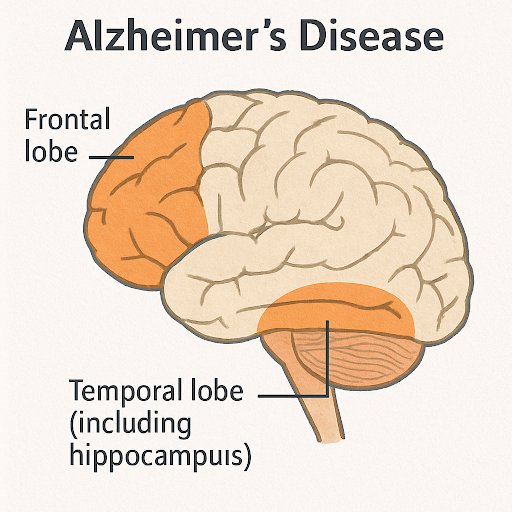
Dementia and Alzheimer’s disease are not the same, though they are often confused. Dementia is an umbrella term for conditions causing cognitive decline. Alzheimer's is a specific disease under this umbrella. It accounts for 60-80% of dementia cases.
These disorders progress over time, severely affecting daily life. People with dementia experience problems with memory, language, and problem-solving skills. Over time, these issues worsen, making independence impossible for many.
Dementia and Alzheimer’s have identifiable characteristics. Alzheimer's disease specifically involves abnormal protein deposits in the brain. These lead to the death of brain cells, causing thinking difficulties.
The symptoms in individuals with Alzheimer's and other types of dementia can vary. Early signs may include forgetfulness and difficulty concentrating. As the disease progresses, confusion and behavioral changes become more apparent.
Here's a summary of key features:
- Memory Loss: Significant forgetting of recent events or information.
- Cognitive Decline: Challenges in problem-solving or planning.
- Behavioral Changes: Mood swings, depression, or personality shifts.
A greater understanding of these disorders supports early intervention. Identifying Alzheimer's risk factors early can lead to preventive measures. Viewing an image of affected brain areas can help visualize the damage.
Raising awareness about these conditions is critical. Many live with dementia without knowing it. Through education, we can improve detection and support. Early diagnosis and understanding are paramount for better management and care.
Alzheimer’s Risk Factors and Causes
Understanding the risk factors for Alzheimer's helps in prevention and early intervention. Some risk factors are beyond control, while others relate to lifestyle choices. Let's explore these influences more closely.
Age is the most significant risk factor. Most individuals with Alzheimer's are 65 and older. However, early-onset Alzheimer's can appear in people as young as their 30s or 40s, though it's less common.
Genetics also plays a crucial role. If a family member has Alzheimer's, your risk may increase. Research has identified specific genes linked to the disease, providing deeper insights into its hereditary nature.
Certain lifestyle and environmental factors can also elevate risk. These include heart disease, diabetes, and high blood pressure. Maintaining a healthy lifestyle is vital in reducing these risks.
Here's a summary list of Alzheimer's risk factors:
- Age: Primarily affects older adults.
- Genetics: Family history can increase risk.
- Health Factors: Heart disease and diabetes.
- Lifestyle: Smoking, lack of physical activity, and poor diet.
By recognizing these factors, individuals can take proactive steps. Adjusting lifestyle habits is a powerful preventative measure. Early intervention in potentially modifiable risks is key in reducing Alzheimer's development chances.
Recognizing Early Dementia Symptoms and Alzheimer’s Warning Signs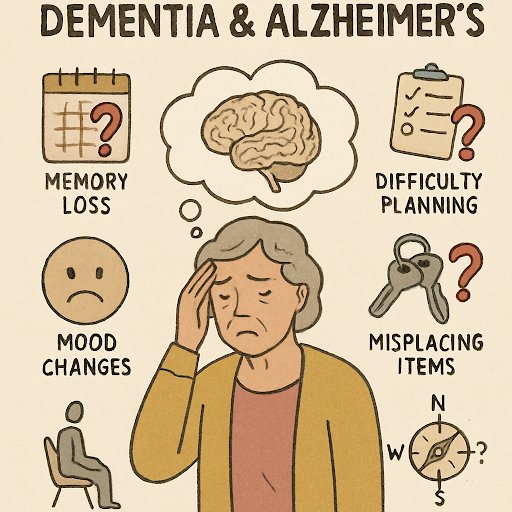
Recognizing the early signs of dementia and Alzheimer's is crucial for timely intervention. Early symptoms can be subtle, often mistaken for normal aging processes. Awareness of these signs allows for better management.
Memory loss is a common early symptom. Forgetting recently learned information is a notable indicator. Frequent repetition of questions may also occur, causing concern.
Confusion about time and place is another warning sign. Individuals may lose track of dates, seasons, or the passage of time. They might forget how they arrived at a location.
Language difficulties often arise in early stages. People may struggle to find the right words. Conversations can become challenging, leading to withdrawal from social interactions.
Changes in mood or personality can be noticeable. Individuals might experience unexplained mood swings or become confused, suspicious, or depressed.
Completing familiar tasks may become difficult. Day-to-day activities like cooking or managing finances may seem challenging or overwhelming.
Here's a list of early dementia signs and Alzheimer’s warning signs:
- Memory Loss: Misplacing items and forgetting recent events.
- Confusion: Difficulty understanding spatial relationships.
- Language Issues: Trouble following conversations.
- Mood Changes: Increased anxiety or depression.
- Task Difficulty: Challenges in completing routine tasks.
Recognizing these warning signs can lead to early diagnosis. This enables individuals and families to plan effectively. Early diagnosis can significantly improve the quality of life through timely treatment and support.
The Importance of Early Diagnosis
Early diagnosis of dementia and Alzheimer’s is crucial for managing the condition effectively. Detecting the disease at an initial stage opens doors to more treatment options. Patients can benefit from interventions that may slow progression.
Understanding the difference between normal aging and early dementia symptoms is vital. It's important because recognizing abnormal patterns enables timely medical assessment. Regular check-ups can facilitate early detection.
With an early diagnosis, individuals have the chance to plan for future care. Discussions about legal and financial considerations become more proactive. Families can prepare emotionally and practically for the journey ahead.
Moreover, early diagnosis often leads to better access to clinical trials and new treatments. Participants can contribute to important research, potentially benefiting others. This involvement can also provide hope and support for those affected.
Here's why early diagnosis is essential:
- Better Treatment Options: More effective therapies available.
- Future Planning: Prepare for long-term care needs.
- Access to Research: Opportunity to join clinical trials.
- Support for Families: Emotional readiness and resource access.
- Improved Quality of Life: Early intervention can enhance living standards.
Early diagnosis equips patients and caregivers with the tools they need. It plays a significant role in achieving a manageable and fulfilling life despite the challenges of dementia and Alzheimer’s.
Dementia Assessment Tools and Alzheimer’s Early Detection Methods
Diagnosing dementia requires comprehensive assessments. These evaluations help pinpoint specific symptoms and identify their severity. Early detection is key to managing the disease effectively.
Healthcare professionals use various assessment tools to diagnose dementia. Cognitive tests measure memory, problem-solving, and thinking skills. Commonly used exams include the Mini-Mental State Examination (MMSE) and the Montreal Cognitive Assessment (MoCA).
Advanced imaging techniques play a critical role as well. Brain scans, such as MRI and CT, reveal structural changes in the brain. These images can highlight patterns typical of Alzheimer's disease or other dementia types.
Genetic testing and biomarkers are gaining traction in early detection. Certain genetic markers indicate a higher risk for Alzheimer's. Biomarkers found in blood or cerebrospinal fluid can signal the disease even before symptoms appear.
Key assessment methods include:
- Cognitive Tests: Evaluate mental functions.
- Imaging Techniques: MRI and CT scans show brain changes.
- Genetic Testing: Identifies potential risk factors.
- Biomarkers: Detect early signs of the disease.
These tools enable early detection and a more accurate diagnosis. Timely intervention can then be planned to slow the progression of dementia, enhancing the quality of life for patients.
Early Intervention: Slowing Disease Progression
Early intervention in dementia management is crucial. Acting swiftly can significantly alter the disease's trajectory. Addressing early dementia symptoms promptly delays progression.
Slowing progression involves various approaches. Medications, lifestyle changes, and cognitive therapies offer benefits. Starting treatments early helps maintain mental functions longer.
Medications play a pivotal role. Certain drugs can stabilize or improve cognitive abilities temporarily. While they don't cure dementia, they help manage symptoms effectively.
Non-drug strategies should be incorporated too. Cognitive therapies, such as memory exercises, enhance brain function. These techniques often include problem-solving and memory recall activities.
Effective interventions often combine multiple methods:
- Medication: Helps stabilize symptoms.
- Cognitive Therapy: Engages mental skills.
- Lifestyle Adjustments: Encourages brain health.
- Social Interaction: Promotes mental well-being.
Staying active both mentally and physically is vital. Regular exercise, combined with mental engagement, enhances overall health. Social interaction also contributes to better cognitive functioning.
Healthcare providers play a critical role in implementing these strategies. Collaboration between patients, families, and medical professionals ensures personalized care. By addressing early signs promptly, individuals can enjoy a higher quality of life despite a dementia diagnosis.
Treatment Options for Memory Loss and Cognitive Decline
Memory loss is a defining feature of dementia and Alzheimer's. Treatments aim to preserve mental functions and slow disease progression. Combining medications and therapies offers the best approach.
Several medications show promise in treating Alzheimer's. Cholinesterase inhibitors, such as donepezil, boost communication between nerve cells. They help alleviate symptoms like memory loss and confusion.
In addition to medication, non-drug therapies are vital. Cognitive training activities can strengthen mental skills, aiding memory retention. These activities often involve puzzles, memory games, and skill-building exercises.
Healthcare professionals emphasize lifestyle modifications as well. Regular physical activity benefits both brain and body. Exercise increases blood flow, supporting cognitive functions.
Implementing these treatment options involves a multifaceted approach:
- Medications: Alleviate specific symptoms.
- Cognitive Training: Improves mental faculties.
- Exercise: Enhances brain health.
- Nutrition: Supports overall wellness.
by shraga kopstein (https://unsplash.com/@sfkopstein)
Nutrition also plays a role in managing cognitive decline. A diet rich in fruits, vegetables, and whole grains supports brain health. Omega-3 fatty acids found in fish may also reduce cognitive decline risk.
Ultimately, a personalized treatment plan is essential. Tailoring the approach to an individual's specific needs provides the best outcomes. Collaborating with medical professionals ensures comprehensive care for memory loss and cognitive decline.
Lifestyle Changes and Prevention Strategies
Lifestyle factors significantly influence the risk of dementia and Alzheimer's. By adopting healthy habits, individuals can reduce their risk. Prioritizing health can delay or prevent the onset of symptoms.
A balanced diet is essential for brain health. Eating a variety of nutrient-rich foods supports cognitive function. Including colorful fruits, vegetables, and lean proteins provides necessary vitamins and minerals.
Physical activity is another crucial element. Regular exercise promotes healthy blood flow to the brain. Activities like walking, swimming, or yoga can enhance mental and physical well-being.
Social engagement also plays a protective role. Staying connected with family and friends helps maintain mental sharpness. Participating in group activities or hobbies fosters meaningful relationships.
Key lifestyle changes to consider:
- Healthy Diet: Supports cognitive function.
- Regular Exercise: Enhances brain health.
- Social Engagement: Maintains mental agility.
Implementing these strategies requires commitment to consistent habits. Support from healthcare providers can guide individuals in making beneficial lifestyle modifications. By focusing on prevention, individuals can enhance their overall quality of life and cognitive function.
Support for Caregivers and Families
Caring for someone with dementia or Alzheimer's can be challenging. Support for caregivers and families is vital. Emotional, physical, and financial strains are common.
Caregivers should seek support networks. These networks can provide practical assistance and emotional support. Connecting with others facing similar challenges reduces feelings of isolation.
Educational resources are also essential. They help families understand the disease's progression. Knowledge empowers caregivers to make informed decisions.
Key aspects of support include:
- Support Networks: Emotional and practical assistance.
- Educational Resources: Understanding disease progression.
- Respite Care Services: Temporary relief for caregivers.
Utilizing available resources can improve the well-being of both caregivers and patients. It's crucial to prioritize self-care and seek help when needed. By doing so, caregivers can continue providing compassionate, effective care for their loved ones.
The Future of Alzheimer’s and Dementia Care
The future of Alzheimer's and dementia care looks promising as new research progresses. Innovative technologies and potential treatments are on the horizon. These advancements offer hope for improved outcomes.
Ongoing research is focused on understanding the disease at a molecular level. Breakthroughs in this area may lead to effective treatments. Researchers are exploring gene therapy and biomarker identification as key areas for development.
A few potential future developments include:
- Gene Therapy: Targeting genetic causes of Alzheimer's.
- Biomarkers: Early detection through molecular analysis.
- Robotics and AI: Enhancing caregiving and monitoring capabilities.
These innovations could revolutionize care for individuals with Alzheimer's and dementia. They emphasize prevention, early detection, and more personalized treatment methods. As research continues, the potential for new solutions to emerge remains high. The collective effort in science and healthcare could change the landscape of dementia care profoundly.
Conclusion: Taking Action for Early Detection and Better Outcomes
Early detection and proactive measures can significantly impact dementia and Alzheimer’s outcomes. Awareness and education are key to achieving timely diagnosis and treatment.
By taking action now, individuals and families can improve quality of life. Early interventions pave the way for better management of these challenging diseases.
